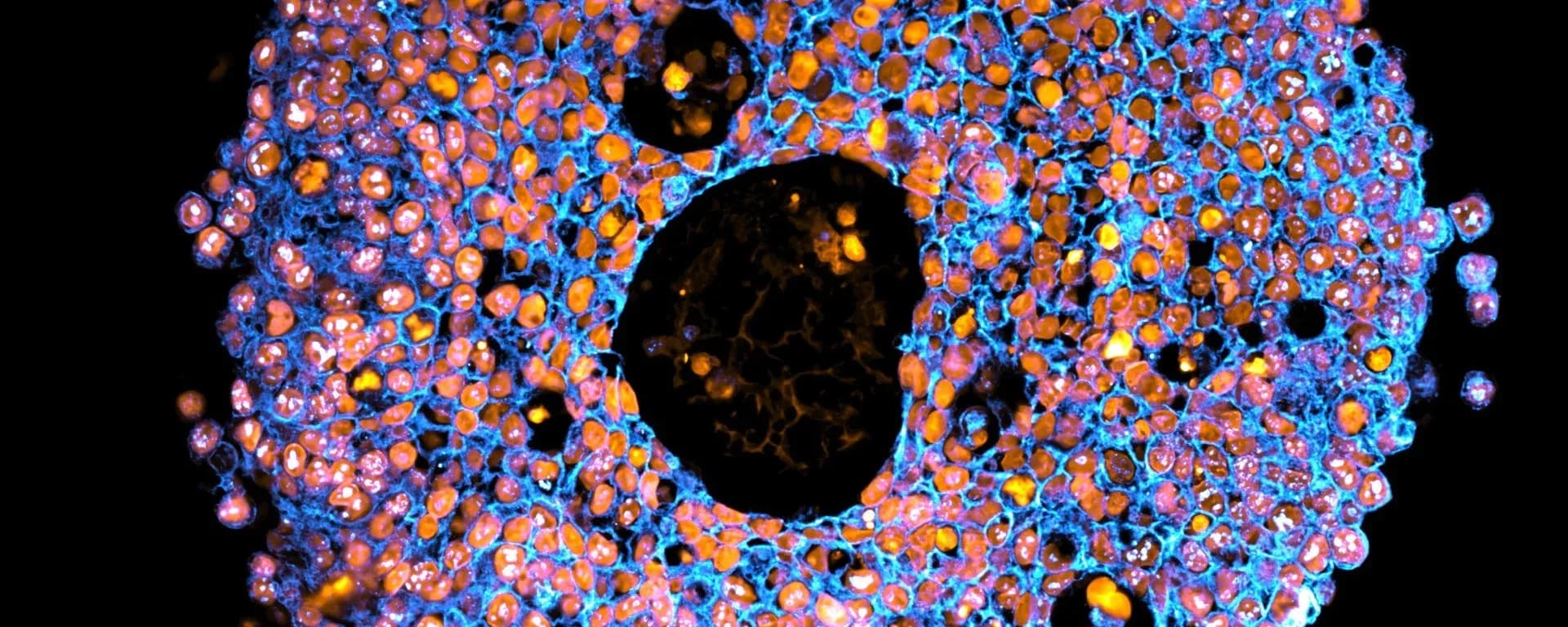
A groundbreaking study led by Associate Professor Lana McClements and Dr Claire Richards has successfully developed miniature placentas using 3D bioprinting technology, marking a major leap forward in maternal health research.
This model offers a powerful new tool to investigate pregnancy complications, including preeclampsia, a life-threatening condition affecting 5–8% of pregnancies. Globally, such complications contribute to over 260,000 maternal deaths and millions of infant fatalities each year. The study has just been published in the journal Nature Communications.
Read more here: 3D bioprinted mini placentas could transform pregnancy research
Seadragon Conservation
A new initiative is bringing together art, science, and storytelling in a bold effort to protect one of Australia’s most extraordinary yet threatened marine species, the Weedy Seadragon. Seadragon Conservation is a collaborative project between the University of Technology Sydney's Fish Ecology Lab’s, marine ecologists Professor David Booth and Giglia Beretta, designer Jordan Askill, and SEALIFE Sydney Aquarium.
This year's Sapphire Dinner 2025, the annual gala raining funds for ocean conservation, was held in August at the Carriageworks, where an incredible $1.4 million was raised for ocean preservation.
Read more about David's research here: Seadragon initiative to protect vulnerable marine icon.
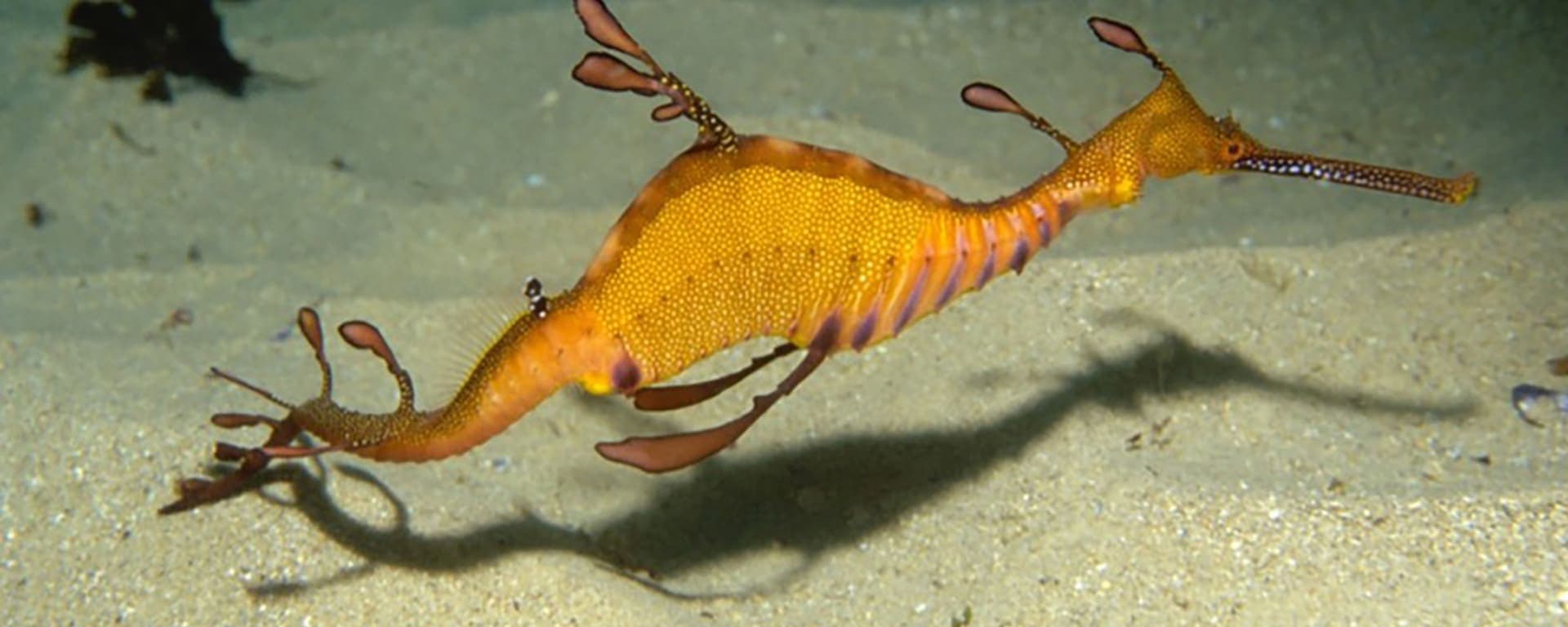
Image from https://www.uts.edu.au/news/2025/09/seadragon-initiative-to-protect-vulnerable-marine-icon?utm_source=sfmc&utm_medium=email&utm_campaign=&utm_term=&utm_content=https%3a%2f%2fwww.uts.edu.au%2fnews%2f2025%2f09%2fseadragon-initiative-to-protect-vulnerable-marine-icon
BIF Success: mRNA Vaccine Production
The Australian Institute for Microbiology and Infection (AIMI), led by Professor Garry Myers and BIF UTS, led by Associate Professor Andrew Care, are creating an in-house pathway to take new mRNA vaccines from the lab all the way to large-scale production. This innovative approach ensures that cutting-edge vaccines can swiftly move from research to real-world application.
Read more about their work: Taking smarter, fastervaccines from lab to production
Blue-green algae concerns prompt push for demolition of Mannus Lake Dam
Professor Simon Mitrovic was featured in a recent ABC news article, discussing his work on the blue-green algae in the Mannus Lake Dam. Simon has been working with the Snowy Valleys Council since 2018, conducting important studies into the dam's blue-green algae which have promoted the local council to consider the feasibility of transforming the dam into a wetland.
Read the full article: Blue-green algae concerns at Mannus Lake Dam
Call to Earth: Searching for super coral
Dr Emma Camp and the Future Reefs Team were featured in the CNN show, Call to Earth. They spoke about the critical state of our reefs due to the impacts of climate change, and discussed the innovative science being undertaken by the team to try and buy time for reefs.
Watch the full video: Call to Earth: Searching for super coral | CNN
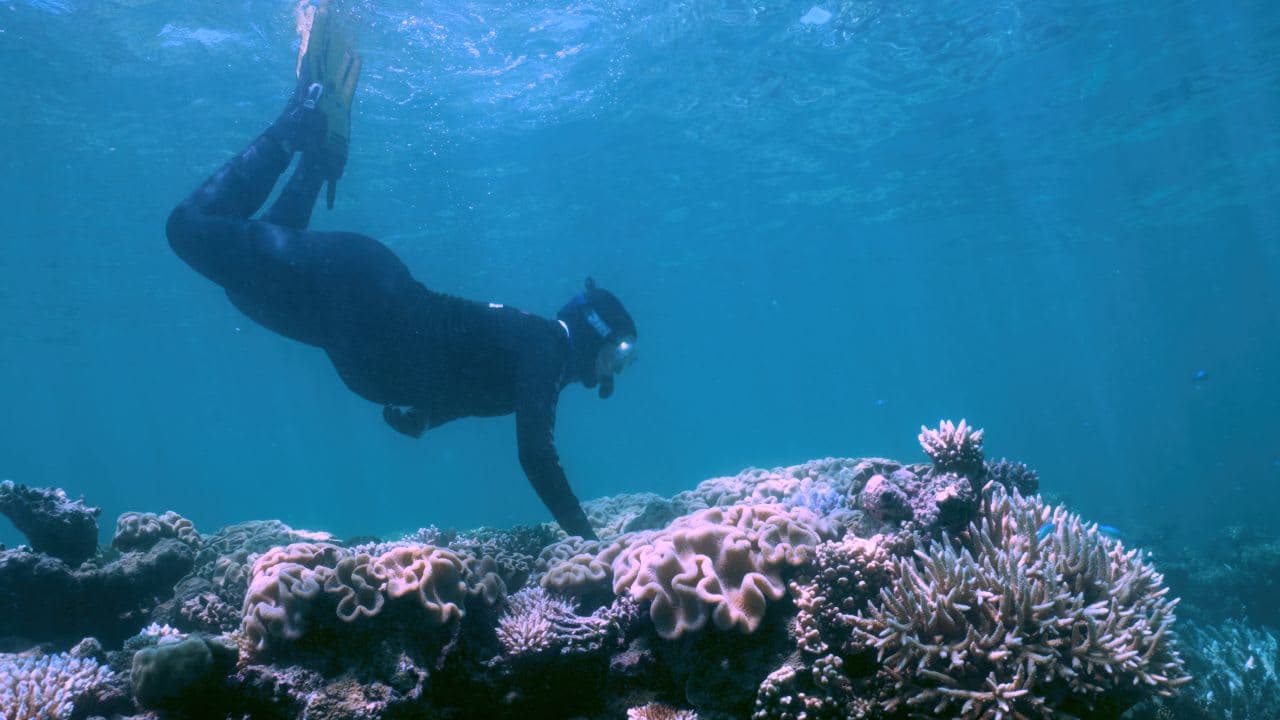
Image from https://edition.cnn.com/climate/video/great-barrier-reef-emma-camp-coral-cte-hnk-spc?utm_source=sfmc&utm_medium=email&utm_campaign=&utm_term=&utm_content=https%3a%2f%2fedition.cnn.com%2fclimate%2fvideo%2fgreat-barrier-reef-emma-camp-coral-cte-hnk-spc
Lunar dust less toxic than city pollution
New research by PhD student, Michaela Smith, from the UTS has found that lunar dust is less harmful to human lung cells than previously feared, and significantly less toxic than common Earth-based air pollution. This research places our research group at UTS at the forefront of the space life sciences field, establishing us as key contributors to this vital area of research, particularly within Australia. Michaela’s work has been supervised and co-authored by Distinguished Professor Brian Oliver , from UTS and the Woolcock Institute of Medical Research.
Read the full story: Lunar dust less toxic than city pollution, study finds
From pint to pasture: brewing climate-friendly beer
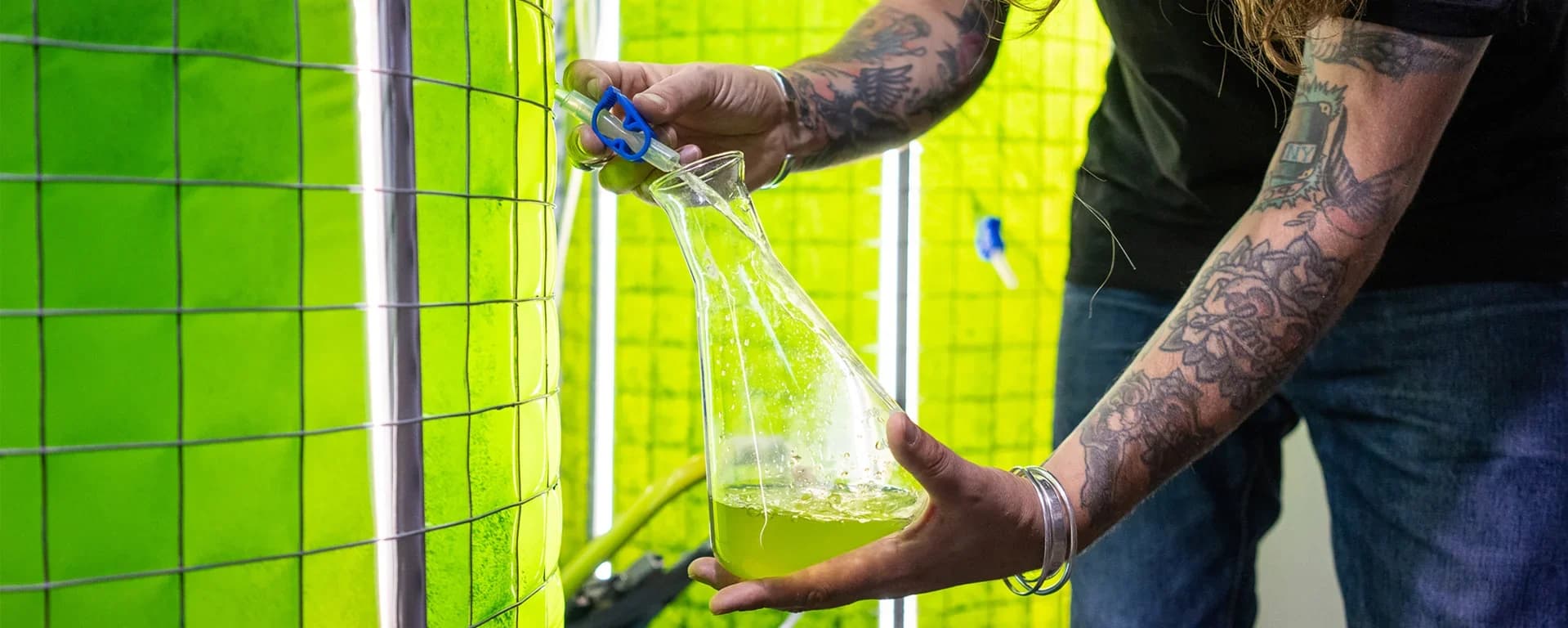
Researchers from the Climate Change Cluster (C3), led by Distinguished Professor Peter Ralph, were featured in a UTS article highlighting the innovative partnership with local craft brewer Young Henrys. Together, they are turning the carbon waste from making beer into climate-friendly livestock feed. The collaboration is a prime example of a strong industry partnership, which is translating science into commercial impact, while delivering real environmental benefits.
Read the full article: From pint to pasture