This sponsored article was written by Mrs Jessica Jones, National Manager Inspire STEM Education Australasia (NewSpec/Hitachi); Dr Daniel J. Fanna, Senior Scientist – Instrumentation Specialist, Advanced Materials Characterisation Facility (AMCF), Western Sydney University (WSU); and Dr Richard Wuhrer, Facility Research Manager, AMCF, WSU.
Abstract
Science, Technology, Engineering and Mathematics (STEM) education integrates learning across disciplines to build problem-solving skills, critical thinking, and real-world applications. One powerful way to bring STEM to life is by giving students hands-on access to scientific tools used in industry, research and acadaemia.
The Hitachi Inspire STEM Education Outreach program does exactly that. It introduces students and teachers to the microscopic world using the compact, research-grade Hitachi TM4000 benchtop Scanning Electron Microscope (SEM). These portable instruments, once confined to research laboratories, now make it possible to “bring the lab to the classroom.”
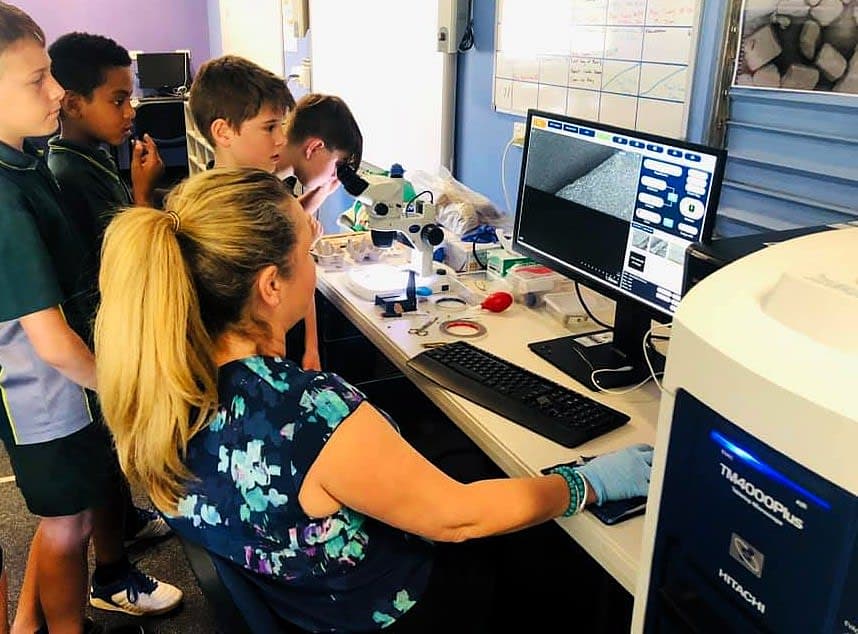
Figure 1. A primary classroom teacher introduces the TM4000 to students
Far from being toys, these microscopes are the same tools as are used across universities, research facilities, and industry. Now, students and teachers have the opportunity to explore their own samples, conduct investigations, and discover the nano-world first-hand without leaving the classroom.
Through the Inspire STEM Education Outreach Program, teachers, supported by expert professional training and educational resources, can design and build upon authentic learning experiences that link curriculum concepts with real-world exploration. This hands-on approach builds authentic connections between classroom learning and real-world science and engineering, careers awareness and industry links fostering deep learning, engagement, and discovery.
Background
In recent years, fewer young people have been choosing careers in STEM related fields, leading to a growing skill shortage, particularly in research and development [1]. Strengthening STEM education is therefore vital to Australia’s future and to equipping students with the skills needed to tackle complex global challenges [2]
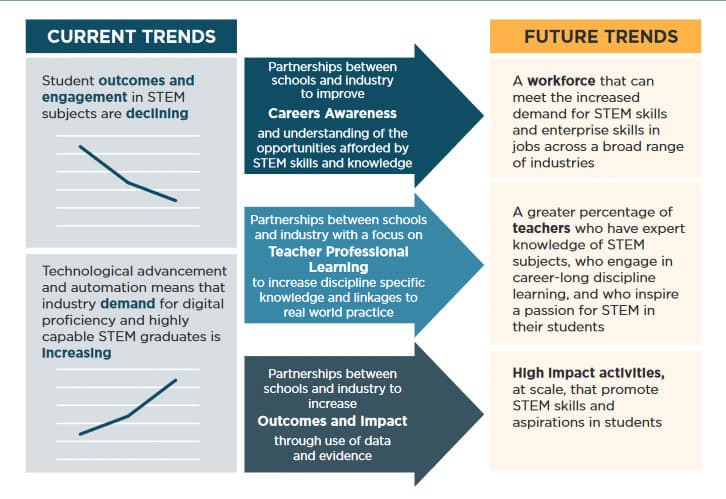
Figure 2. “Optimising STEM Industry-School Partnerships, 2018” Education Council Australia
Engaging students in STEM through early experiential learning is critical to addressing this challenge and preparing them for the future workforce. STEM education connects learning across disciplines, encouraging students to apply scientific and mathematical principles through technological and engineering contexts. Rather than teaching these subjects separately, it focuses on integration, creativity, and relevance to real-world issues. The Inspire STEM Outreach Program exemplifies this approach by aligning with a diverse range of pedagogical approaches and enabling students to experience what scientists do: investigate, observe, and draw conclusions based on direct evidence [3-5].
The Inspire STEM Outreach Program
Launched in 2018, the Inspire STEM Education Outreach Program is a collaboration between Adelaide-based company NewSpec, Hitachi, and several Australian universities. Its aim is to make high-quality SEM technology available to schools across the country.
Through this initiative, a Hitachi TM4000 benchtop SEM is loaned to schools for 1 or 2 weeks at a time (Figure 3). Its portability and ease of use make it ideal for classroom settings, allowing students to explore and experiment directly. The SEM runs off a standard power outlet and needs no gas or water connection allowing for flexibility in setup locations [3-5].

A student using the Hitachi TM4000 desktop SEM at their high school
NewSpec and partner Universities coordinate the Program logistics, training, and support. Their team assists with setup, teacher training, and ongoing technical support to ensure a smooth and engaging learning experience. Schools can also participate in professional training sessions at facilities such as the Western Sydney University Advanced Materials Characterisation Facility (WSU, AMCF), where teachers receive hands-on experience in imaging, analysis, and sample preparation.
Included with each school booking:
- Installation of the Hitachi TM4000 Desktop SEM (requires only a standard power outlet and a secure space)
- Connection to projectors or classroom displays for group viewing
- Access to a sample library
- Additional mounting hardware to prepare your own samples
- Supporting teaching resources and materials
- Teacher training and Inspire STEM staff support as needed
About the Instrument
A SEM provides detailed imaging at magnifications far beyond what traditional light microscopes can achieve. By using a focused beam of electrons rather than light, SEMs reveal intricate structures and textures invisible to the naked eye. The Hitachi TM4000 SEM also operates in different vacuum modes. Its low-vacuum (variable pressure) mode allows imaging of natural samples without extensive preparation or conductive coatings, making it perfect for classroom use. Students can explore biological and material samples, such as insects, plants, or everyday objects, and see details invisible under traditional optical microscopes. This not only enhances scientific understanding but also inspires curiosity and discussion.
Further reading about SEM’s can be found in the MyScope Microscopy Training notes developed by Microscopy Australia [6] to provide an online learning environment for those who want to learn about microscopy. The MyScope platform provides insights into the fundamental science behind different microscopes, explores what can and cannot be measured by different systems and provides realistic operating experiences on the microscope simulators [6]. This virtual practice provides an excellent lead in for students prior to having the benchtop SEM visit their school.
SEMs are integral to countless STEM disciplines—from materials science and biology to engineering and environmental research. With the Inspire STEM program, this same technology is now available to students and teachers in schools across Australia (Figure 4). Hitachi’s Inspire STEM Program states, “We loan out the Hitachi Tabletop Microscope without restrictions, allowing educators to use the technology in ways that best fit their needs. Let’s inspire children to continue studying the sciences!”
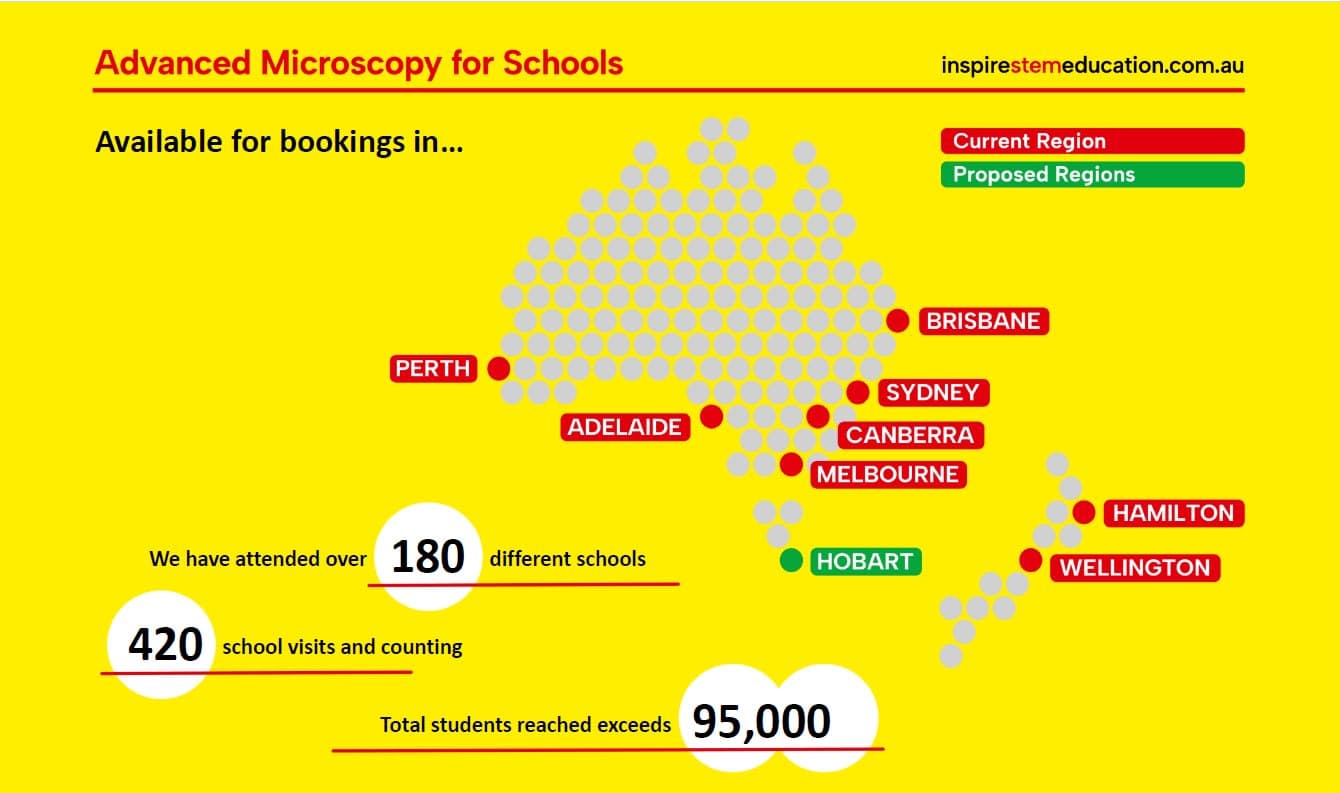
Figure 4. Inspire STEM Education Program’s Australasian statistics, November 2025
Classroom Applications
Schools have used the Hitachi TM4000 SEM to explore concepts in biomimicry, materials science, environmental studies, nature-inspired design, physics, chemistry, biology, agriculture, and more. Students can study insects, leaf surfaces, and other natural materials to investigate how microscopic structures influence properties like texture, strength, and water resistance [7].
Other projects have examined environmental samples, material surfaces, and even engineered structures—connecting theory to practice and igniting curiosity in scientific exploration [7]. These projects bridge theory and practice, helping students grasp the relevance of STEM to real-world problems and innovations. Images from NSW Schools using the Inspire Hitachi TM4000 SEM can be seen in Figure 5 below.
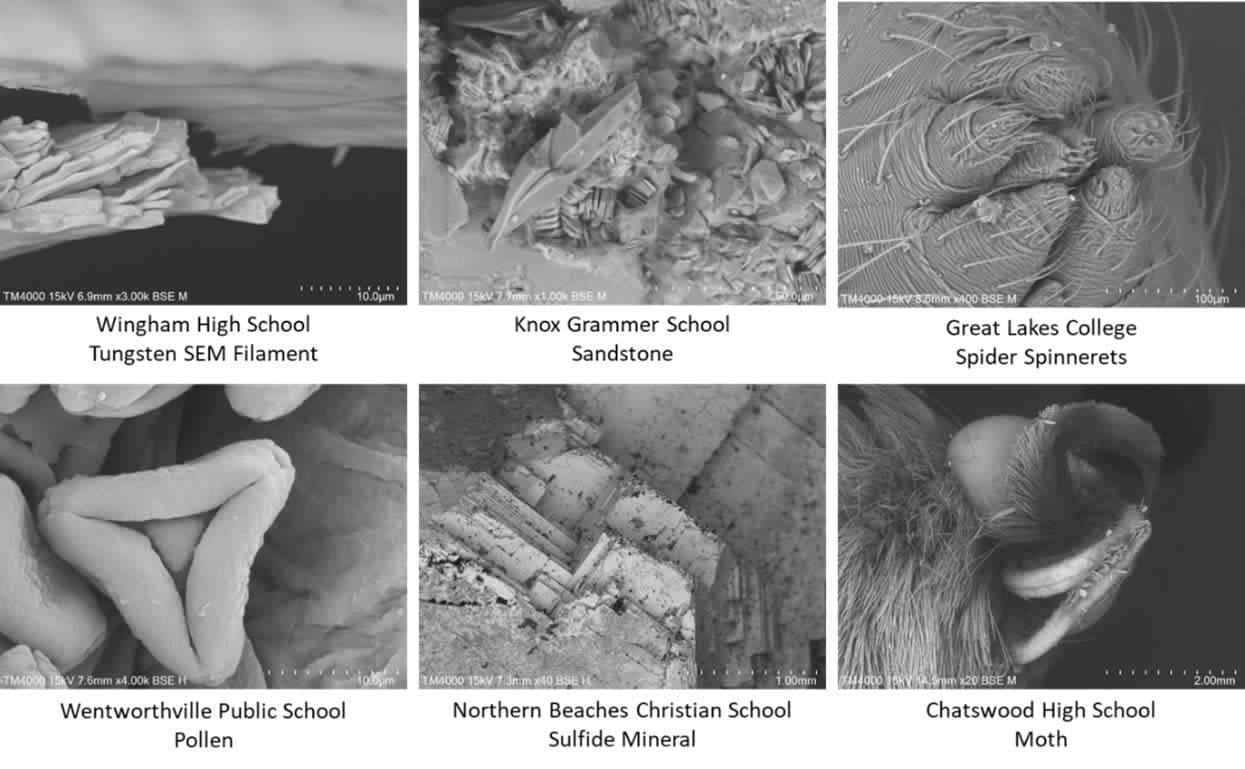
Figure 5: Images taken by different NSW Schools using Inspire STEM’s Hitachi TM4000 SEM
Teacher Professional Development
Teachers are central to the success of the Inspire STEM outreach program. Comprehensive training helps them integrate SEM use into existing curriculum and confidently guide students through scientific inquiry.
Professional learning options include [8]:
- Full-day, hands-on workshops covering theory and nano-concepts, as well as hands on experience with how to the get the best out of sample preparation and your time with the SEM
- Online learning support and resource sharing
- On-site sessions for quick upskilling
- Ongoing development of new training modules and collaborative networks
By building teacher expertise, the program ensures the technology has a lasting impact beyond a single classroom visit (Figure 6).
Figure 6. Teachers from St Aloysius’ College and Oxford Falls Grammar training with Dr Daniel Fanna at the AMCF, WSU
Conclusion
The Inspire STEM Education outreach program is redefining how students experience STEM, in particular for sciences. By putting genuine research-grade instruments directly into classrooms, it allows students to explore the unseen world around them in ways that were once only possible in universities and laboratories. This hands-on access doesn’t just enrich learning—it transforms it. Students move from reading about scientific discovery to actively engaging in it, observing, questioning, and analysing real samples from their own environment.
For teachers, the program offers a unique opportunity to connect classroom learning with authentic scientific practice. The combination of professional training, easy-to-use technology, and flexible lesson design empowers educators to create engaging, inquiry-based experiences that align with curriculum outcomes while igniting curiosity and excitement in their students.
As more schools across Australia participate, the Inspire STEM Education outreach initiative continues to build a growing network of educators, universities, and industry partners committed to strengthening STEM engagement and improving student outcomes. Together, they are helping to nurture a generation of problem-solvers, innovators, and critical thinkers—young people who not only understand STEM related subjects and fields but are inspired to shape its future (Figure 7).
Figure 7. Senior peer learners independently discover the joy and wonder of the microscopic world
Get Involved
Schools interested in hosting a visit from the Hitachi TM4000 SEM can contact Inspire STEM education or their nearest partner University to learn how to bring an SEM to their classrooms. In the mean time, visit MyScope Explore [10] to use the SEM step by step simulator.
By opening a window into the microscopic world, we’re not just showing students what STEM and Science looks like—we’re inviting them to be Scientists and Engineers.
Bookings and further information
W. https://www.inspirestemeducation.com.au/
E. outreach@newspec.com.au
P. (08) 8463 1967
Partner Universities in NSW & ACT
Sydney and surrounding areas: Western Sydney University, Advanced Materials Characterisation Facility
Canberra and surrounding area: Australian National University, Centre for Advanced Microscopy
Acknowledgements
The authors would like to thank Eleanor Low (Intern AMCF-WSU) and Christian Wuhrer (NewSpec/Hitachi) for their activate involvement with the Inspire STEM education outreach program.
References
- Education Council, 2018 Optimising STEM Industry-School Partnerships: Inspiring Australia’s Next Generation, www.education.gov.au/download/12533/optimising-stem-industry-school-partnerships-final-report/23621/optimising-stem-industry-school-partnerships-final-report/pdf
- https://education.nsw.gov.au/teaching-and-learning/curriculum/stem/about-stem
- https://www.education.gov.au/australian-curriculum/support-science-technology-engineering-and-mathematics-stem/national-stem-school-education-strategy-2016-2026
- https://www.hitachi-hightech.com/global/en/science-edu/
- https://www.hitachi-hightech.com/global/en/science-edu/about/
- https://www.inspirestemeducation.com.au/
- https://myscope.training/SEM_SEM_Basics
- Louise Hughes, “STEM Education Pilot a Resounding Success: Project Lets Young People Experience World-Class Scientific Equipment and training”, Microscopy Today July 2022.
- https://www.inspirestemeducation.com.au/wp-content/uploads/2023/02/inspire-brochure-A4.pdf (Hitachi Inspire brochure).
- https://myscope-explore.org/virtualSEM.html